Diabetes and Dementia July 6, 2020

There is growing evidence that Diabetes (especially Type 2) is linked to Dementia.

A 2016 study says, “A confluence of factors related to dietary changes, sedentary lifestyle, and an aging population in Western cultures has led to a rapid rise in the incidence of type 2 diabetes, a disease that carries enormous burden in terms of health and economic outcomes. Increasingly, type 2 diabetes is recognized as a major contributor to cognitive decline and dementia in older adults.”

In other words, diabetes and dementia are growing together at the same time, with some of the same causes.  A “sedentary lifestyle” means we sit too much, when we should try to be more active. An “aging population” – well, we can’t help that, I’m already ten minutes older than when I started to write this.

But diet we can do something about.

A 2020 study advises, “The more carbohydrate eaten in a meal, the more sugar is absorbed into the bloodstream and the higher the blood sugar will be.

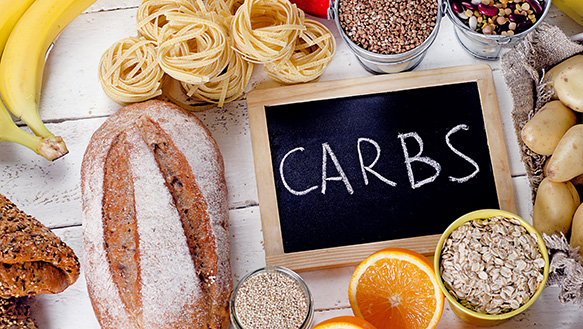
“Although very few people would agree that sugary foods are good for you, some foods that we think of as “healthy” — such as fruit — actually have a lot of sugar. And many people don’t know that starchy foods — such as bread, rice, pasta, and potatoes — quickly turn to sugar when you digest them.”

It also says, “Dietary fat has very little effect on blood sugar. However, we seldom eat fat all by itself. Some foods, like cheese, are made up of mostly protein and fat. These foods probably won’t raise your blood sugar very much.

“But other foods, like doughnuts and French fries, are made up mostly of carbohydrate and fat. Because they’re high in carbs, these foods are likely to significantly raise your blood sugar.”

Some of our grandmothers knew that foods high in carbs, like sugar, flour, potatoes and rice were “fattening.” Now we know they increase our blood sugar, which can lead to diabetes and potentially to dementia.

References

Cholerton, B.  (2016.) “Type 2 Diabetes, Cognition, and Dementia in Older Adults: Toward a Precision Health Approach”
From https://spectrum.diabetesjournals.org/content/29/4/210

Hite, A. (2020.) “How to reverse your type 2 diabetes.”
From https://www.dietdoctor.com/diabetes

Edit: Reversal of diabetes can be a safe option for all

From https://www.dietdoctor.com/coming-soon-groundbreaking-conference-on-type-2-diabetes?fbclid=IwAR20PfCA7OG0ekbFh27XmChmM8pPXR0qbUEXy_GlS8mTqJBOMimqdK2v4gQ

Hangry July 5, 2020 High Fat diet may improve longevity and boost reproductive success, protect against stroke

(Crow Edition)

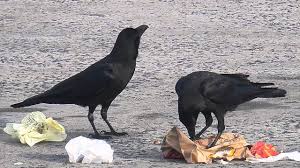
I am thrilled to have found Kaeli Swift, PhD, who has extensively studied Corvids, especially my favourite, crows.

“A new study published in The Condor by Dr. Andrea Townsend et al. examines the relationship between urbanization, junk food, and the body conditions of crows. To conduct this study, her team blood sampled 140 wild crow nestlings along an urban to rural gradient.  They found that plasma blood cholesterol levels increased in correlation with the amount of impervious surface, which is a typical way we measure urbanization.  This finding suggests that crows in the city have more access to high cholesterol foods and they make haste in gobbling it up.

“Correlation is not causation, however, so to confirm this, they ran an additional supplementation study where they provided 10 rural crow parents with 3 McDonalds cheeseburgers 5-6 days a week, and then looked at how their nestling’s blood cholesterol levels compared with unsupplemented nestlings from the same area. They found that eating cheeseburgers most days of the week had a demonstrable effect on the subject’s cholesterol levels. 

[…] “In the final piece, they examined the body condition, and 2-3 year survival of the 140 nestlings sampled along the urban to rural gradient.  They found that cholesterol levels had no detectable effect on survival and were actually correlated with higher indices of body condition (meaning mass adjusted for size), a feature that is sometimes tied to higher reproductive success and survival.”

Here’s a few more entries on crow nutrition:

“I enjoy feeding crows, what kind of food should I offer them? Dried pet food is among their favorite but a cheaper option is whole unshelled peanuts.  They also love eggs, tater tots, meat scraps and other nuts.” My crows like steak, sausages, potatoes with sour cream or butter, and don’t like tomatoes or red cabbage.

“Crow curiosities: what causes white feathers? Diets low in protein may also contribute to leucism, as the amino acid lysine has been correlated with increased white feathers.  This is supported by the observation that urban birds (who presumably have a diet lower in meat and protein) typically have more color aberrations than their rural or forested peers.” Our crow dad has one or two white feathers on his left wing. For breakfast yesterday morning, he and his family got some bits of slow-roasted veal shank.

Swift says, “science communication will forever remain a core part of my identity as a scientist and person.” I highly recommend this fabulous young woman from Washington State, especially if you share my fondness for Corvids.

(People Edition)

I am also thrilled to have found Joy Kiddie, MSC, RD who does a “Science made simple” series about human nutrition. Here’s her latest: “The recommendation to lower the consumption of saturated fat in the diet to reduce the risk of cardiovascular disease (CVD) has been the central theme in both the US and Canada since 1977, and has been carved into our respective Dietary Guidelines since the 1980s.

“A newly published study published by the American College of Cardiology has found no beneficial effect on either cardiovascular disease (CVD) or death of lowering saturated fatty acid (SFA) intake and that saturated fat intake is actually protective against stroke. This reassessment of dietary saturated fat intake was based on a meta-analysis of randomized control trials (the strongest data available), as well as observational studies.”

Kiddie says, plainly, “Coinciding with the recommendation for people to eat less saturated fat and more carbohydrate as the main source of calories, we have seen obesity rates go from ~10% of the population in both countries, to 1 in 3 people in the US, and 1 in 4 people in Canada — with another 1/3 of people falling in the overweight category.”

Veal shank is very tasty, my families inside and outside agree.

References

Kiddie, J. (2020.) “American College of Cardiology: No Benefit to Lower Saturated Fat Intake.” From https://www.lchf-rd.com/2020/06/30/amcardiology-no-benefit-to-lower-saturated-fat-intake/?fbclid=IwAR0ZBQFl9TM-bdhn8y6bc0EF-ceKiW78-zUIIsCRMLqVFx-9CFfBXyFI7U0. Quoting Astrup A, Magkos F, Bier, DM, et al, Saturated Fats and Health: A Reassessment and Proposal for Food-based Recommendations: JACC State-of -the-Art Review, J Am Coll Cardiol. 2020 Jun 17. Epublished DOI:10.1016/j.jacc.2020.05.077

Swift, K. (2019.) “Dumpster diving is giving crows higher cholesterol—but does it matter?” From https://corvidresearch.blog/tag/crow-diet/ (Quoting Townsend AK, Staab HA, and Barker CM. 2019. Urbanization and elevated cholesterol in American Crows. The Condor page 1-20.)

From https://corvidresearch.blog/faqs-about-crows/#crow-feeding

From https://corvidresearch.blog/2014/07/09/crow-curiosities-what-causes-white-feathers/

From https://corvidresearch.blog/about/
Hangry June 29, 2020 T2 Diabetes is not a disease

Younkuk Choi (2019) says: “Diabetes is not a disease and is certainly not an irreversible disease that requires management by taking drugs for the rest of your life. Do not believe that you are suffering a serious disease. There is absolutely no reason for you to despair or shed a tear. Diabetes is simply a symptom of overeating foods with fast rate of conversion to glucose. This is especially true for type 2 diabetes and its subtypes [such as gestational diabetes]. Type 1 diabetes is a different world, though.”

Let’s repeat that: “Diabetes is not a disease and is certainly not an irreversible disease that requires management by taking drugs for the rest of your life. […] Diabetes is simply a symptom of overeating foods with fast rate of conversion to glucose.”

He tells his N=1 story: “I would like to talk about my own past. I used to hastily eat three meals a day because I was pressed for time as I handled nearly 100 patients a day. I would often mix a small bowl of white rice with water or soup and gulp it down. The meal would take less than a minute. In midst of repetitive daily routines, my body had ballooned over several years. After gaining 30 kg, I found myself running out of breath and being uncomfortable whenever I had to walk uphill to return home after work. It was an emergency. My blood test results showed fatty liver and cholesterol, triglyceride, and glycated hemoglobin levels exceeding the cutoff values.”

Here’s my N=2 story: My husband was diagnosed with T2D about 15 years ago. I accompanied him to the nutrition counseling where he was told he got diabetes from his mother (also diagnosed) and was advised, “Eat the Canada Food Guide.” Cereal and milk for breakfast, sandwiches for lunch, and pasta, rice or potatoes at supper were/are all fine with the Canada Food Guide. Does the Canada Food Guide think were are all carb-loading for a marathon? I gained 30 pounds and was diagnosed with T2D about 7 years ago (I was actually pre-diabetic, but whatev). I was prescribed a handful of pills to take – I was confused, because I was only expecting Metformin, for high blood sugar. The pharmacist gave me a pamphlet on Metabolic Syndrome and said, “Take a walk after supper.”

Long story short, I stumbled upon the “Wheat Belly” book, cut out all grains, then found Low Carb High Fat (Keto, Paleo) and was losing 7 – 12 pounds a month. Hubby looks at me and asks, “Whatcha doin’ over there?” and joined me. We are both symptom-free and off all meds. I stabilized after losing those 30 pounds and he got down to his high school weight, slim and trim.

Back to Choi’s Escape from Diabetes: “Why do people get diabetes?  The simplest and most accurate answer to this question is eating too much.” Eating too much of what?  “Why is diabetes comorbid with symptoms of metabolic syndrome such as fatty liver, hypertriglyceridemia, hypercholesterolemia, obesity, and hypertension?  Excessive glucose introduced into the body from overeating is primarily stored on the liver surface as fat by the actions of insulin. However, continued excessive glucose intake causes fat accumulated on the liver surface to exceed the normal range.” There’s more, but is basically a cascading effect starting with continuous excessive glucose intake.

“Grains have the fastest rate of conversion to glucose inside the body. […] Compared to the past, modern humans use their brains more than their muscles. Recommended dietary intakes with grains accounting for half or more of daily consumption remain suitable for farming and hunting situations, as well as physical laborers, athletes, and highly active children with high muscle use and high activity levels. However, this recommended intake is not suitable for the daily activities of modern humans. Grain intake exceeding one – quarter of a single meal indicates excessive glucose consumption; in modern humans who only move their fingers in front of a computer as their daily activity, this represents overeating.”

And, “In nature, only humans eat food for fun and not just for fuel. Humans are almost the only organisms to die from diseases, except for livestock fed and raised by humans. In nature, wild animals mostly starve to death, freeze to death, or get eaten by another animal but do not die from diseases as humans do. A quantitative surplus goes beyond obesity and becomes a direct cause of diabetes and metabolic disorders. Likewise, it is the same for a qualitative surplus of mostly carbohydrates. Like feeding meat to an herbivore like a cow, serious diseases such as chronic inflammation, hormone disruption, and autoimmune disease could be the long – term outcomes of eating foods not suitable for one’s self.”

I think my escape from diabetes would have started earlier if the doctor, nutrition counselor or pharmacist had said these three words: “Cut your carbs.”

References

Choi, Y. (2019) Escape from Diabetes by Precision Low-carb Diet & Periodic Fasting, An Evidence-Based Guide for Precision Diabetes Care.

Davis, W. (2012) Wheat Belly: Lose the Wheat, Lose the Weight, and Find Your Path Back To Health.

Edit: It has been pointed out to me that “Like feeding meat to an herbivore like a cow” is not completely correct, by someone who is an expert on ruminant digestion.

Hangry June 22, 2020 Seed oils are a major contributor to Diseases of Civilization

I just watched Dr. Chris Knobbe’s presentation, “Diseases of Civilization: Are Seed Oil Excesses the Unifying Mechanism?” available on Youtube as of today, June 22, 2020.

Low Carb Down Under says, “Dr. Knobbe’s research efforts and revolutionary hypothesis for the nutritional basis of AMD [Age-related Macular Degeneration] have resulted in a published scientific paper, a book – Ancestral Dietary Strategy to Prevent and Treat Macular Degeneration – a website, CureAMD.org, and a second book currently in the making. Knobbe’s current research focuses substantially on omega-6 seed oil consumption as a major unifying driver of the chronic degenerative diseases of civilization, including AMD.”

Like dentists amazed at the healthy teeth of people who ate a traditional diet well into the modern era, Knobbe saw no to little AMD in similar populations.

My mother-in-law (95 years old) was diagnosed with AMD a few years ago; she gets Clockwork Orange-type injections once a month, which slows its progress.

When she moved into her condo a few blocks from our house, she was doing her own grocery shopping and cooking. She liked to microwave Simply Steamers for supper: a pile of starch (rice or noodles) covered with a sugary sauce and some veg and/or meat with polyunsaturated fat. She also enjoyed ultra-processed foods like breakfast cereal and frozen waffles with “vegetable oil (soybean and palm, canola and/or cottonseed).”

She moved in with us a few years ago and now enjoys bacon and eggs, butter-basted T-bone steak (cut wafer-thin) and tears into a home-roasted chicken leg with gusto.

I used to enjoy Cook’s illustrated, the magazine with the black-and-white drawings, obsession with detail, and household tips. But in the latest issue (July and August 2020), Kate Shannon “highly recommended” seed-oil burgers from Impossible Foods and “recommended” Beyond Meat (p.27).

On page 29, “A.G.” asks “Should you cook with avocado oil?” (answer: it depends). It casually concludes with “the refined avocado oil we tasted from Wesley Farms cost $0.32 per ounce, compared with $0.12 per ounce for our favourite vegetable oil from Crisco.”

References

Shannon, K. (2020.) “Tasting Meat-free burgers.” Cook’s Illustrated.

Eggo waffles at  https://www.leggomyeggo.com/en_US/products/waffles/kellogg-s-eggo-buttermilk-waffles-product.html

Low Carb Down Under at https://www.youtube.com/watch?v=7kGnfXXIKZM

Simply Steamers at https://www.healthychoice.com/simply-cafe-steamers

Hangry June 13, 2020 Getting rid of sweets, asking for dried fish

Food Waste Heroes and Salvagers United

A free-food sharing website explains their system, their goal of zero food waste: “What is OLIO and how do I use it?

OLIO connects neighbours with each other and with local shops so surplus food and other items can be shared, not thrown away. All items on OLIO are offered for free and any attempt to sell items should be immediately reported.

“How does OLIO make money?

OLIO generates revenues by charging some businesses for the service we provide via our Food Waste Heroes Programme to enable them to have zero edible food waste stores/locations. The service is free for small businesses who want the basic version of the programme. We will continue to explore other avenues to generate revenues to ensure that we have a sustainable business model. (Last updated on June 5, 2020.)

“What others are looking at in London, United Kingdom

  • 4 cans of Magners (I bought this in for a house guest, but we ended up going out every evening. It’s just going to gather dust as I don’t drink cider. Would anyone like it?)
  • Tesco Pure Orange Juice (Smooth. 1 litre. Given up my morning OJ so this needs a loving home please ☺.)
  • 2 baguettes (Bought last night, still fresh. We only wanted one but they came in a pack of three so there are two spare.)
  • Orange ice lollies unopened packet of 10 (Someone bought these for my son but he doesn’t like them.)
  • Black truffle pate (Not keen on truffles, black truffle shavings in oil.)
  • Fresh bread yeast (Use by Friday. Will give your bread a rise to be proud of.)
  • Black olives (Brought back from holiday some time ago. They are those small, wrinkly, quite salty ones.)
  • Prune juice (Nice but too sweet for me.)
  • Homemade vanilla extract (Made lovingly by my father for an ungrateful daughter who feels guilty that she knows she won’t use it. At least this way it will go to a deserving home! Can be used to make cheesecakes etc.)
  • Bacon stock cubes (Yes, really!!)”

The OLIO site has detailed instructions for OLIO Food Waste Heroes for delivery/pick up, especially during Covid-19. Yellowknifers, however, are much more casual: out on my driveway, here’s the address. Londoners don’t want to throw away good stuff; during Covid-19 Yellowknifers couldn’t.

Yellowknife’s dump, May 26

Cabinradio.ca’s Ollie Williams reports, “There is no word on when Yellowknife’s dump may resume full operation and regular opening hours. When that does happen, Sheila Bassi-Kellett, the City’s senior administrator, said some of the dump’s current working practices may be kept. A single public drop-off area, she said, ‘helps control access and ensure waste is being organized and sorted in a good, operational way. When we get back to full access, there is going to be a very good system in place’.”

Tales from the Dump, June 4

Walt Humphries writes, “The dump may have reopened but once again no provision was made for salvaging. This means a lot of good and valuable things are just being buried with the rest of the trash. That is a real step backwards because more stuff is buried. […] Steve and Jennifer Payne came up with an incredible idea and started the Facebook page Salvagers Unite. It is brilliant in its simplicity. If you have something you want to get rid of, just snap a picture of it and post the item, to see if anyone out there could use it. Also, if you are ISO or in search of an item, you just put a post on, and it often gets a reply offering the item you need for free. No money is exchanged.”

A few examples of food/gardening giveaways from Salvagers United:

  • Anyone have any extra potting soil? I’d love to take it off your hands pls.
  • We have 3 kombucha scobies available if anybody wants one. Let us know when you’re coming by, we are home all day all night all the time.
  • Looking for rhubarb. Is it up yet?
  • Have some plant pots in driveway if anyone needs any – 59 Rycon Drive!
  • ISO clear wine bottles, bring me 15 or more and I will trade you a nice bottle of peach chardonnay!
  • We have some left over seed potatoes, for anyone who missed the giveaway!
  • Anyone want our household’s compost? We have a small Tupperware full of composted organics you can add to your compost! We only put in veggie scraps, some egg shells, coffee grounds, and the odd paper towel scrap (so no meats). I can deliver it to you!
  • Looking for wild flower seeds. Stores are out.
  • ISO 4 zucchini seeds. Happy to trade for broccoli or beet seeds.
  • ISO soil for garden beds. Under estimated how much we’d need for the beds we built. Everywhere is either sold out or not available (wet). Will take what you have.
  • Looking! For dry fish, please message for any info please. Thank you.

And

  • On July 1st at NOON the NWT miracle will attempt to raise the most food ever in the NWT. Across the territory, your friends, neighbours and family will be collecting non-perishable food items from each doorstep in participating communities. It will be collected, brought to local charities and storage sites. From there we will feed anyone who needs it in the NWT.

And

  • I’m giving away the rest of 2020. I will be putting it in a lock box out at the head of my driveway. Anybody can come pick it up. The only rule is that once you take it to your house, do not bring it back to mine.

References

Humphries, W. (2020.) “Tales from the dump: Salvaging, uniting, tidying yk.”

From  https://nnsl.com/yellowknifer/tales-from-the-dump-salvaging-uniting-tidying-yk/

Northwest Territories food drive: https://www.nwtmiracle.com/?fbclid=IwAR0ekGK3B7pJUFdnTpA1K9wd8U7prYHoyFyd84xCVE1-udrOTz6ROYsXgwI

OLIO website: https://olioex.com

Salvagers Unite on Facebook: https://www.facebook.com/groups/673899336739983/

Williams, O. (2020.) “City reaches out to restaurants, stores for creative reopening plans.” From https://cabinradio.ca/37804/news/yellowknife/city-reaches-out-to-restaurants-stores-for-creative-reopening-plans/

Hangry June 8, 2020

Lionel Shriver (Big Brother, 2013) reminds me of Miriam Toews (All My Puny Sorrows, 2014)

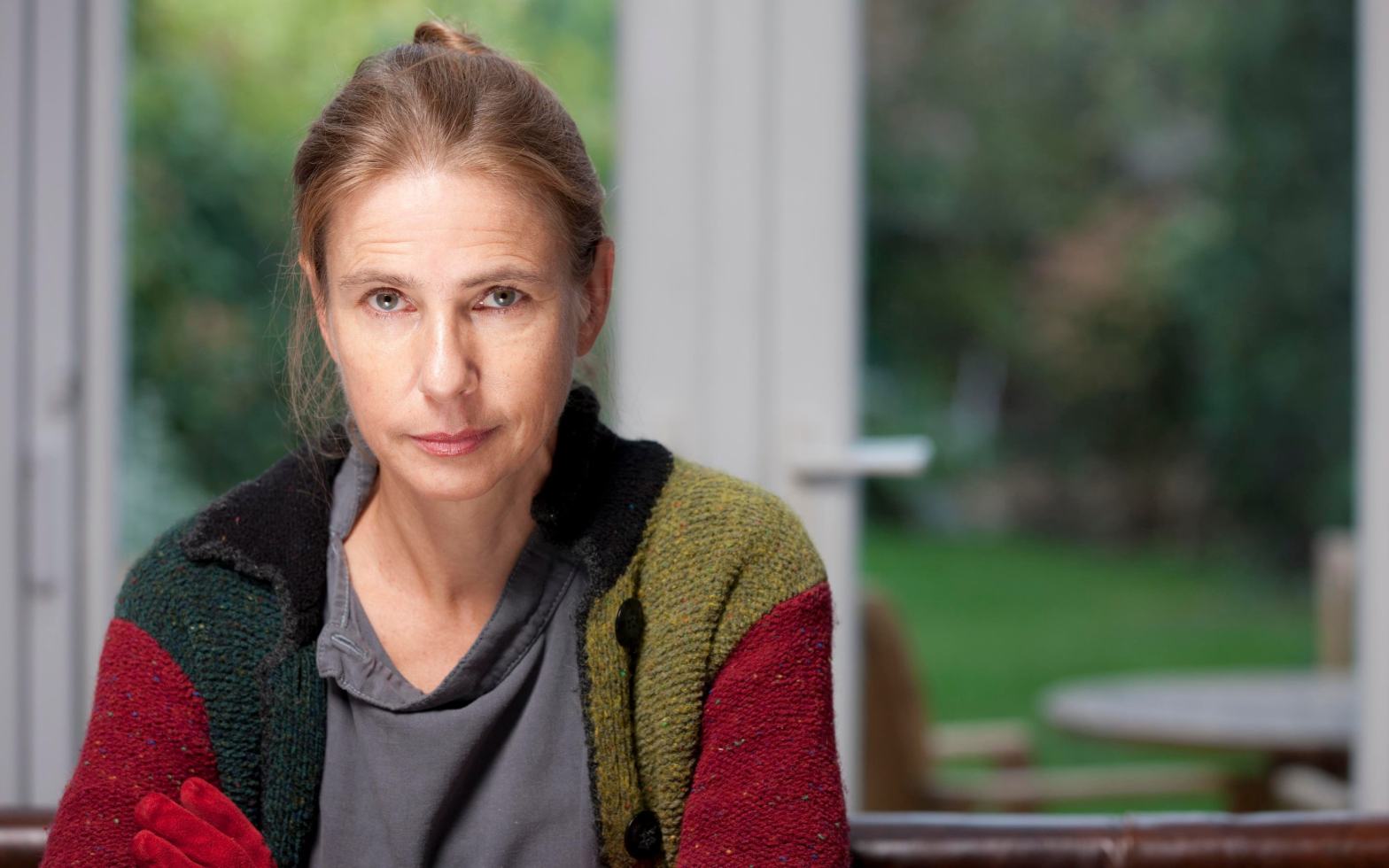
Lionel (born Margaret Ann) Shriver says of her book: “About a sister who risks her marriage by setting up house with a morbidly obese older brother to help him lose weight, the novel is a fantasy of sorts. It was a pale substitute: if I couldn’t save my brother in real life, I could save him on paper.”

Miriam Toews had a similar kind of fantasy with a similar twist at the end. Interviewer Alice O’Keeffe says,“Her older sister, Marjorie, killed herself in 2010, having lived with severe depression for most of her life. Like their father, who had taken his own life almost exactly 12 years before, she threw herself under a train.” The book “is the story of two sisters, Yolandi (Yoli), the chaotic middle-aged mother of two teenagers, and Elfrieda (Elf), a beautiful, talented, happily married concert pianist, who is nevertheless determined to kill herself. As Yoli says, ‘she wanted to die and I wanted her to live and we were enemies who loved each other’. As it becomes clear that Elf will achieve her wish at any cost, Yoli is forced to consider whether the most loving response would be to help her do so.”

In Toews’s book, the ending has the sisters on a plane to Dignitas in Switzerland to have a medically assisted death. That didn’t happen, and neither did Shriver’s sister take the brother on a yearlong liquid diet.

Shriver recalls in real life, “Was I being called to put him up? But my brother was very difficult! Did I love him that much? Would my husband Jeff put up with him? Could I put up with him? Would Greg fit through our doorways? Would our little downstairs toilet crack under the strain? […] As it happened, Greg’s condition abruptly plummeted again and he died two days later. I never had to confront if I was kind enough, loving enough, self-sacrificing enough to take my brother in.”

O’Keefe relates, “In the immediate aftermath of Marjorie’s death, Toews believed she would never be able to write about it. ‘I had no words. It took a couple of years before I thought, no, I’m a writer, this is what I do, take stuff and work it into something that makes sense to me’.”

References

Shriver, L. (2013.) “My brother ate himself to death – and I will never get over the guilt.” From https://www.dailymail.co.uk/femail/article-2329271/LIONEL-SHRIVER-My-brother-ate-death–I-guilt.html

O’Keefe, A. (2015.) “Interview: Miriam Toews: ‘I worried people would think, what is wrong with this family?’” From https://www.theguardian.com/books/2015/may/02/miriam-toews-interview-all-my-puny-sorrows-mennonite

Hangry June 8, 2020 Lionel Shriver (Big Brother, 2013) reminds me of Miriam Toews (All My Puny Sorrows, 2014)

Lionel (born Margaret Ann) Shriver says of her book: “About a sister who risks her marriage by setting up house with a morbidly obese older brother to help him lose weight, the novel is a fantasy of sorts. It was a pale substitute: if I couldn’t save my brother in real life, I could save him on paper.”

Miriam Toews had a similar kind of fantasy with a similar twist at the end. Interviewer Alice O’Keeffe says,“Her older sister, Marjorie, killed herself in 2010, having lived with severe depression for most of her life. Like their father, who had taken his own life almost exactly 12 years before, she threw herself under a train.” The book “is the story of two sisters, Yolandi (Yoli), the chaotic middle-aged mother of two teenagers, and Elfrieda (Elf), a beautiful, talented, happily married concert pianist, who is nevertheless determined to kill herself. As Yoli says, ‘she wanted to die and I wanted her to live and we were enemies who loved each other’. As it becomes clear that Elf will achieve her wish at any cost, Yoli is forced to consider whether the most loving response would be to help her do so.”

In Toews’s book, the ending has the sisters on a plane to Dignitas in Switzerland to have a medically assisted death. That didn’t happen, and neither did Shriver’s sister take the brother on a yearlong liquid diet.

Shriver recalls in real life, “Was I being called to put him up? But my brother was very difficult! Did I love him that much? Would my husband Jeff put up with him? Could I put up with him? Would Greg fit through our doorways? Would our little downstairs toilet crack under the strain? […] As it happened, Greg’s condition abruptly plummeted again and he died two days later. I never had to confront if I was kind enough, loving enough, self-sacrificing enough to take my brother in.”

O’Keefe relates, “In the immediate aftermath of Marjorie’s death, Toews believed she would never be able to write about it. ‘I had no words. It took a couple of years before I thought, no, I’m a writer, this is what I do, take stuff and work it into something that makes sense to me’.”

References

Shriver, L. (2013.) “My brother ate himself to death – and I will never get over the guilt.” From https://www.dailymail.co.uk/femail/article-2329271/LIONEL-SHRIVER-My-brother-ate-death–I-guilt.html

O’Keefe, A. (2015.) “Interview: Miriam Toews: ‘I worried people would think, what is wrong with this family?’” From https://www.theguardian.com/books/2015/may/02/miriam-toews-interview-all-my-puny-sorrows-mennonite

Hangry May 31, 2020 Down the rabbit hole

So, a chef named Joshna Maharaj was on CBC radio’s Sunday Edition this morning to promote her new book, “Take back the tray Revolutionizing food in hospitals, schools, and other institutions,” and I thought “Yay! My new best friend!” So I looked up her website and found an excerpt.  She is opposed to the carby ultra-processed frozen food being warmed in hospitals, but she is okay with carby foods (biscuits, gravy, rice) as long as it’s made from scratch.

Alrighty then. The excerpt led me to the Mcconnell  Foundation, with high hopes. In “Nourishing the Future of Food in Health Care: A Pan-Canadian Policy Scan 2018”  (published May 2019) they say “The health of Canadians, and that of our health care system, is being significantly affected by diet-related chronic disease, food insecurity, antibiotic resistance and climate change. An important factor in all of these pressures is our current food system.”

So far, so good. What’s the answer? Canada Food Guide. Next.

The report cited Feed BC, let’s go there. “Since March 2019, Interior Health has made significant progress to include more B.C. foods on the menu:

Whole eggs from B.C.

Beef ground in B.C.

Tomatoes and peppers from the Okanagan.” Excellent.

But then: “Last year over 1.2 million entrée portions were made locally in the production kitchen at Vernon Jubilee Hospital for patients across Interior Health. This food complements other food made on-site at all Interior Health facilities.” I am thinking the frozen food being rewarmed will be of higher quality, but still frozen and rewarmed.

And a mention of nourishhealthcare.ca, which had an interesting if kinda extremist article posted May 4, 2020, “Future Scenarios for Food & Health Systems: Post-pandemic recovery and transition to a more resilient, sustainable, and equitable health care system in Canada.”

Hmmm, who are these people?

“Rethinking food will be an important way to shrink health care’s carbon footprint. Reducing food waste and shifting to more plant-rich diets are amongst the top four strategies for reducing carbon emissions in the Drawdown research led by Paul Hawken. Indigenous foodways, including connection to land, respectful harvesting, and tracking ecosystem changes, are a source of wisdom to help navigate out of the climate crisis.

“Climate change will also have a significant impact on population health, and threatens to widen disparities faced by marginalized communities around community health and well-being. Given the health care sector’s significant contribution to climate its leadership will be a vital part of our society, businesses and communities coming together to address the climate emergency.

“Changing hospital menus, food service operations and procurement can help to decarbonize supply chains. Hospitals can use their significant purchasing power to ‘bring to life’ Canada’s food guide including serving less meat overall and sourcing more sustainable meat and plant-based protein. In this work it will be vital to support Indigenous communities access to traditional/country foods essential to their cultures.”

Plant-based. Okay. Happy Sunday.

References

Feed BC. (N.D.) From https://www2.gov.bc.ca/gov/content/industry/agriculture-seafood/growbc-feedbc-buybc/feed-bc/feed-bc-healthcare

Maharaj, J. (2020.) From https://www.thestar.com/news/gta/2020/05/09/what-i-learned-from-trying-to-make-hospital-food-actually-taste-good.html

Mcconnell Foundation. (2019. ) From https://mcconnellfoundation.ca/wp-content/uploads/2019/05/Nourishing-the-future-of-health-care.pdf

Nourish. (2020.) From https://www.nourishhealthcare.ca/blog/2020/4/27/future-scenarios-for-food-amp-health-systems-post-pandemic-recovery-and-transition-to-a-more-resilient-sustainable-and-equitable-health-care-system-in-canada

And from https://www.nourishhealthcare.ca/impact-areas

Hangry May 23, 2020 Church Larder meals

From a church Facebook page yesterday, May 22 2020: “[We] completed our last day of Larder cooking for the summer on Wed. There are quite a few meals & soups in the freezer at this time. I want to just thank all the people who have in this 2019-2020 Larder year contributed help in the kitchen and supplies. We will get started again in Sept. If you have any of the black meal containers they can be dropped off at the church whenever the office is open. Thanks.

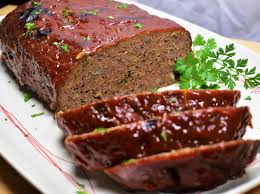
“MEALS: Maple Curry Chicken; Salmon, Western & Mild Italian Sausage Quiches; Hamburger Pies; Chili; Chinese Orange Chicken; Pork Chop Dinner; Meatloaf Meal; Hamburger Soup; Mac & Cheese, Cauliflower Soup and Salmon Pasta.”

I think these are classic comfort foods. I know they contain plenty of starch and/or sugar, such as maple syrup, sugar, pie dough, orange juice, more sugar, bread crumbs, brown sugar, ketchup, flour (to thicken soups) and noodles and more noodles.

These are frozen and available for sale to church members to take home and reheat.

We know that church populations are aging. According to Stats Canada, “Older Canadians are considerably more likely than their younger counterparts to attend religious services on a regular basis. In 2005, for example, 37% of all Canadians aged 65 and over attended a religious service at least once a week, whereas this was the case for just 16% of both those between the ages of 15 to 24 and 25 to 44.”  And in a more recent survey, “In 2003, seniors aged 65 and over represented 20% of members of religious-affiliated groups, a proportion that increased to 25% in 2013.”

Should we be encouraging citizens of any age to purchase — for a good cause — so many (hidden) sweets? In a study published March 31, 2020 Weina Guo et al concluded: “We found that COVID‐19 patients without other comorbidities but with diabetes (n = 24) were at higher risk of severe pneumonia, release of tissue injury‐related enzymes, excessive uncontrolled inflammation responses and hypercoagulable state associated with dysregulation of glucose metabolism.”

Don’t get me started on bake sales.

References

Guo, W. (2020.) “Diabetes is a risk factor for the progression and prognosis of COVID ‐19.” From https://onlinelibrary.wiley.com/doi/full/10.1002/dmrr.3319

Statistics Canada. (2008.) “Matter of Fact: Canadians attend weekly religious services.”From https://www150.statcan.gc.ca/n1/pub/89-630-x/2008001/article/10650-eng.htm

Stats Can. (2015.) “Civic engagement and political participation in Canada.” From https://www150.statcan.gc.ca/n1/pub/89-652-x/89-652-x2015006-eng.htm

Hangry May 18, 2020 Beware the Ides of March

At about week 9 of Stay at Home, I had a sense of déjà vu re self-isolation, because me and my little family have done this kind of thing before, when the kidling was nine years old, so sixteen years ago.

My husband was a co-owner of a thriving business, and one day in mid-March his friends (co-owners) decided to give him the boot. It was very unexpected, because things were going well.

I later read a “set the story straight” book, a daughter wondering why her father was voted out of his leadership position in their Mennonite church, where an aunt said, “Well, someone else wanted to be the Bishop, that’s usually how it goes,” and that sounds about right. So someone wanted to takeover as the new CEO with its attending attention and respect. But, turns out, you actually have to work to get that – my hubby took December 25 off every year. And some Friday afternoons, but he was on call 24/7.

I was working there too, so we both lost our livelihood. I decided to buy a 1976 seventeen-foot Boler for $5000 and as soon as the school year ended, me and my hubby and our kid went for a seven-week camping trip.

This Ides of March, I was laid off March 13 (teaching workshops, event planning and promotions) and all hubby’s consultations were cancelled as of March 16, 11 am (training and evaluating airline pilots). Now a lot of fellow citizens of the world are with us in our tiny travel trailer, wondering how long we can stay cooped up, questioning what kind of work there will be for us, seeking answers for why and how this all happened.

We travelled from northwest BC to southeastern Manitoba. We paused, coming out of Whiteshell Park. We could turn left and flee to eastern Canada, or turn right and face home and all the unknowns that waited for us in the future. I hope we can all turn west soon.

Design a site like this with WordPress.com
Get started